

About The Granite Dells
Formed in the Precambrian era, the rocks of the Dells were formed 1.4 billion years ago, then shaped
by weathering and erosion in only the last 14 million years. They are known for their unique rounded shape and array of orange and brown hues, creating a stunning background for both land and water recreation. In addition to the “Dells” section of the park, is Glassford Hill, which is a 14-million-year-old extinct volcano. More than just rock formations, the area of the Dells includes creeks, reservoirs, flatlands, and forest areas, supporting a wide array of biodiversity critical to the whole central Arizona region.
A Backdrop To History
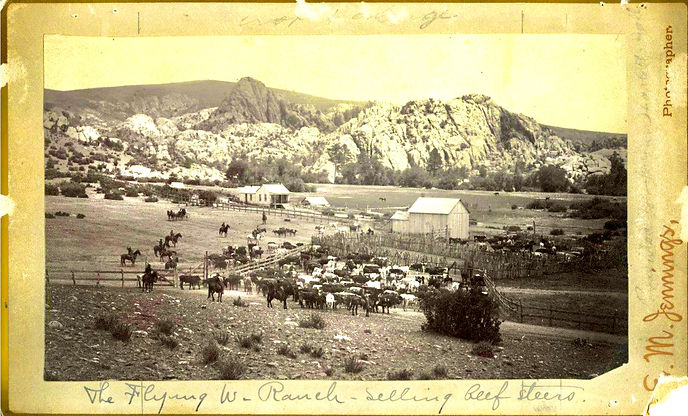
The historical significance of the Granite Dells cannot be understated. The Dells hold significant cultural value to the regional native American tribes were predominantly hunters / gatherers, that would have taken advantage of the vast ecological diversity of the Dells and the natural creeks of the Prescott area. Gold was discovered in 1863, leading to the settlement of Prescott. Within several years cattle ranching began, and by the 1890’s the Peavine and Iron King railroad lines were constructed through the Granite Dells to support the mining industry. In 1915 Granite Creek was dammed to make Watson Lake and in 1936 Willow Creek was dammed to make Willow Lake. The water from these lakes was used to support irrigation in Chino Valley. In 1998 the City of Prescott purchased the lakes.
An Ecological Wonder
In addition to the stunning view of the Granite Dells, is a unique variety of wildlife and plants. For example, Watson and Willow Lakes have both been deemed Important Bird Areas (IBAs) by the National Audobon Society, and the trails through the Dells often serve as important corridors for an array of wildlife including mule deer, javalina, coyotes, and rarely-seen pronghorn. The rock formations cause a range of microhabitats that are teeming with a vast diversity of plant and animal life.

Supporting Active Outdoor Recreation
With various hiking, biking and equestrian trails, opportunities for viewing wildlife (including balk eagles), rock climbing, and kayaking, canoeing and fishing (on the two lakes), the Granite Dells has something for everyone. Additionally, there are handicap accessible trails.
It’s no surprise that each year the Granite Dells draws in over 100,000 locals and tourists per year. This supports both the health of those who visit and the local economy.
